
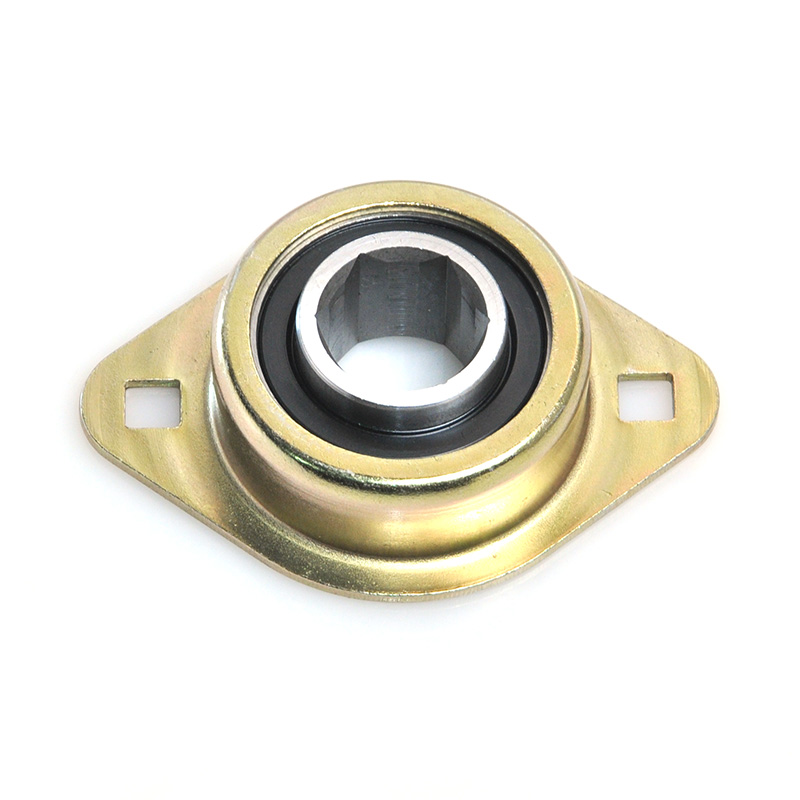
Diff 피니언 베어링이 실제로 하는 일 A 디프 피니언 베어링 테이퍼 롤러 베어링 또는 일치하는 베어링 쌍으로, 차동 하우징 내부의 피니언 기어 샤프트를 지지하고 기어 메쉬의 방사형 하중과 헬리컬 기어 각도의 스러스트 하중을 모두 전달하면서 링 기어와 정밀한 정렬을 유지합니다. 디퍼렌셜 피니언 베어링이 마모되거나, 예압이 부족하거나, 오염되면 피니언 샤프트가 하중을 받아 이동하고, 기어 메시 패턴이 중심에서 벗어나며, 그 결과 가속 또는 감속 시 울부짖는 소음이 발생하고, 기어 마모가 발생하여 결국 전체 드라이브트레인이 고장...
READ MORE +86-13867573512
 [email protected]
 Get a quote

다양한 비표준 베어링 Manufacturers
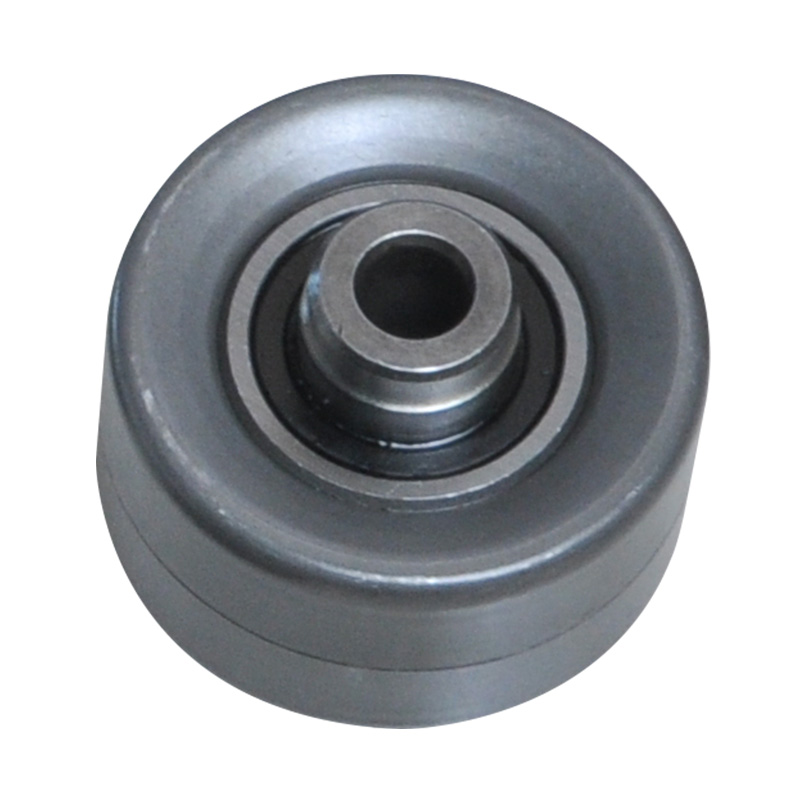
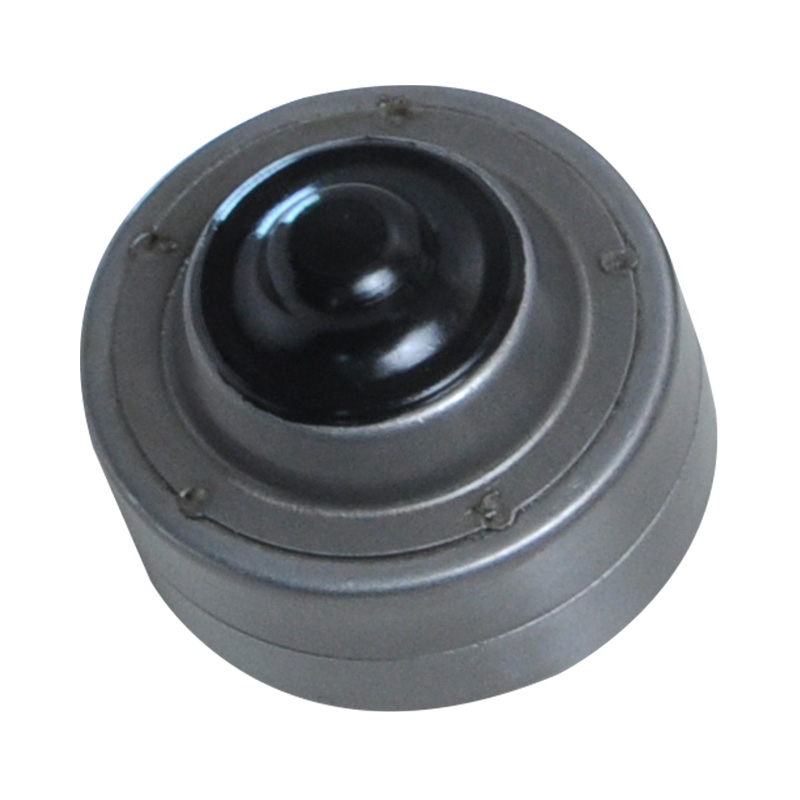
기타 비표준 베어링은 표준 치수 및 성능 매개변수를 따르지 않는 베어링을 의미합니다. 고객의 특정 요구 사항, 특정 애플리케이션 시나리오, 특정 장비에 따라 맞춤화할 수 있습니다. 산업 장비 분야에서 비표준 베어링의 중요성은 자명합니다. 이들은 특정 기술 문제를 해결하고 장비 성능을 개선하며 서비스 수명을 연장하는 데 핵심적인 역할을 하는 경우가 많습니다. 비표준 베어링은 산업 장비 분야에서 널리 사용되며 베어링 지원이 필요한 많은 기계 장비를 포괄합니다. 우리가 생산하는 기타 비표준 베어링은 장비의 작동 효율성과 서비스 수명을 향상시킬 뿐만 아니라 유지 관리 비용과 고장률도 줄일 수 있습니다.
회사 소개
Xinchang Heyang Auto Parts Co., Ltd.
Xinchang Heyang Auto Parts Co., Ltd. is China 다양한 비표준 베어링 Manufacturers and 다양한 비표준 베어링 Factory, specializes in producing Automotive Clutch Release Bearings, and other Non-standard Bearings with more than 300 items, which mainly apply to automobiles from Japan, Korea, Germany, the USA, and others. Our main markets are the Middle East, Iran, Southeast Asia, South America, European countries, and regions.
이 회사는 첨단 생산 장비와 완벽한 관리 시스템을 갖추고 연간 생산 능력이 120만 개에 달합니다. 제품 품질 보증은 50,000km 이상에 이릅니다.
우리는 "고객 요구 우선"과 "사소한 일까지 잘 처리"라는 이념을 바탕으로 각 고객을 진심으로 대합니다. 우리는 귀하의 도착을 따뜻하게 환영합니다.
뉴스
-
-
멋진 드라이브 베어링 사람들이 예상하는 것보다 더 빨리 실패하는 이유와 이유 구동 베어링은 구동 샤프트, 기어박스 또는 변속기 하우징 내부에 장착된 롤링 요소 베어링으로, 동력 전달 중에 생성되는 방사형 및 축 방향 하중을 모두 전달하면서 회전 샤프트를 지지합니다. 단순한 지지 베어링과 달리 구동 베어링은 일반적으로 동일한 기계의 표준 베어링보다 결합된 하중, 더 높은 회전 속도 및 더 많은 열에서 작동합니다. , 이것이 바로 선택, 설치 및 유지 관리 일정이 일반적으로 ...
READ MORE -
빠른 답변 정말 대단한 일이야 베어링 다이어그램은 실제로 당신을 보여줍니다 스로아웃 베어링 다이어그램(릴리스 베어링 다이어그램이라고도 함)은 스로아웃 베어링(TOB), 클러치 포크, 압력판 핑거 및 변속기 입력 샤프트 사이의 정확한 위치, 이동 경로 및 기계적 관계를 보여줍니다. 이 다이어그램은 이 단일 베어링이 전체 클러치 결합 및 분리 주기를 제어하는 이유를 이해하는 가장 빠른 방법입니다. 클러치 페달을 밟으면 스로...
READ MORE
관련 제품
Q. 문의사항을 보낸 후 답변을 받는 데 얼마나 걸리나요?
평일 문의접수 후 12시간 이내에 답변드리겠습니다.
빠른 연락
업계 지식
1. 개념과 정의
A 비표준 베어링 is a bearing that deviates from the established dimensional, geometric, or performance specifications of standard bearing series (e.g., those defined by organizations like ISO or ABMA). 이러한 베어링은 기성품 표준 베어링이 충족할 수 없는 특정 요구 사항을 충족하도록 설계 및 제조되었습니다.
비표준 베어링의 필요성은 다양한 응용 분야의 고유한 설계 제약으로 인해 발생합니다. 이러한 제약에는 다음이 포함될 수 있습니다.
제한된 공간: 비정상적인 하우징 보어, 외부 직경 또는 너비.
특수 하중 조건: 표준 크기에 일반적이지 않은 반경방향, 축방향 또는 모멘트 하중의 특정 조합을 처리하기 위한 요구 사항입니다.
Integrated Components: The need for the bearing to incorporate other functional parts, such as gears, flanges, seals, or specific mounting features.
환경 요인: 극한의 온도, 부식성 환경 또는 진공 조건에서 작동합니다.
2. 비표준 베어링의 일반적인 유형
Non-standard bearings encompass a wide array of designs, often custom-tailored. 널리 사용되는 일부 카테고리는 다음과 같습니다.
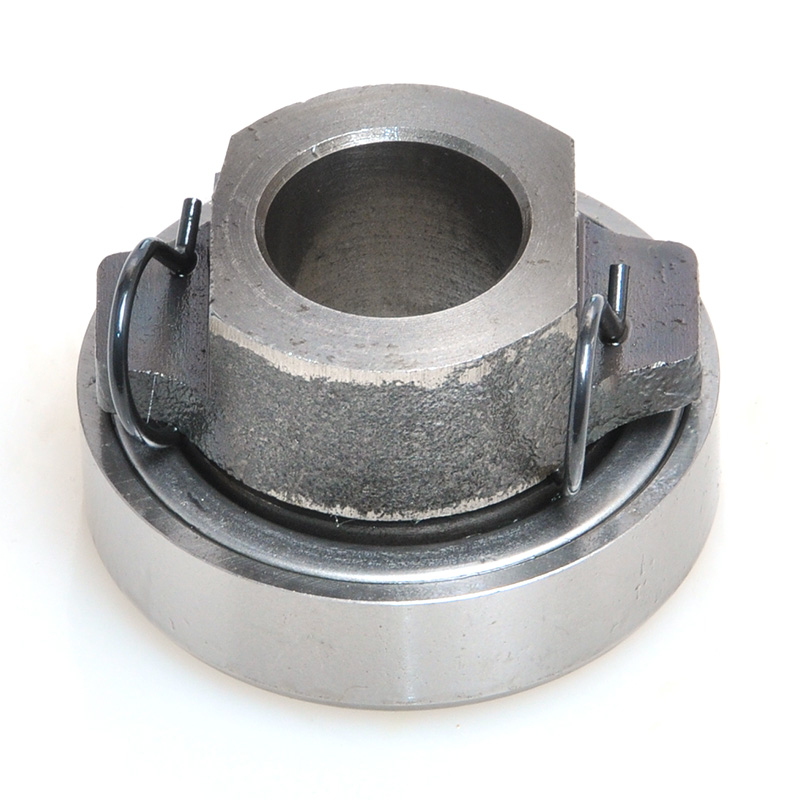
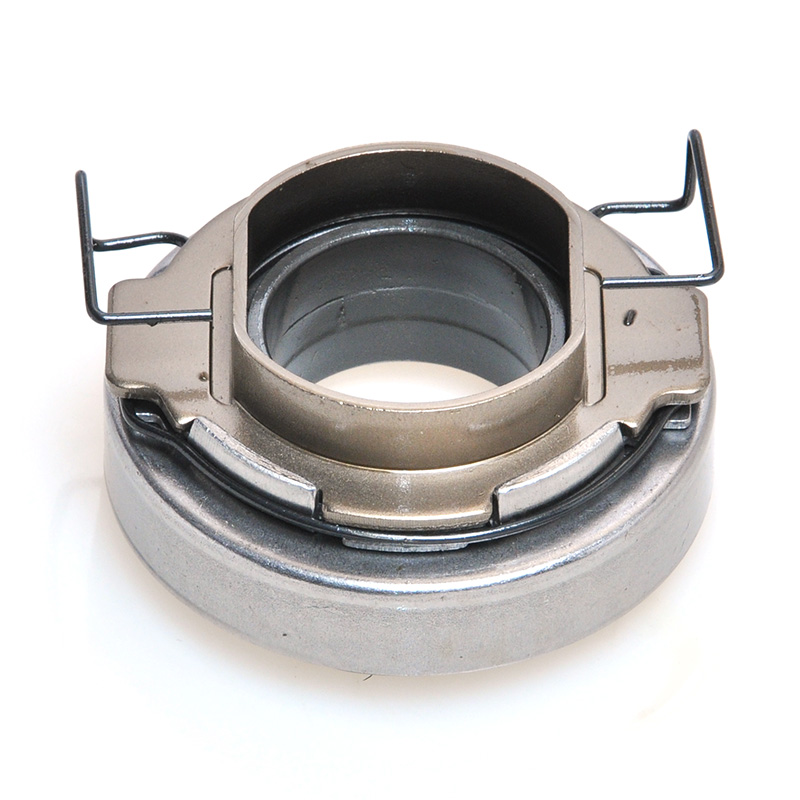
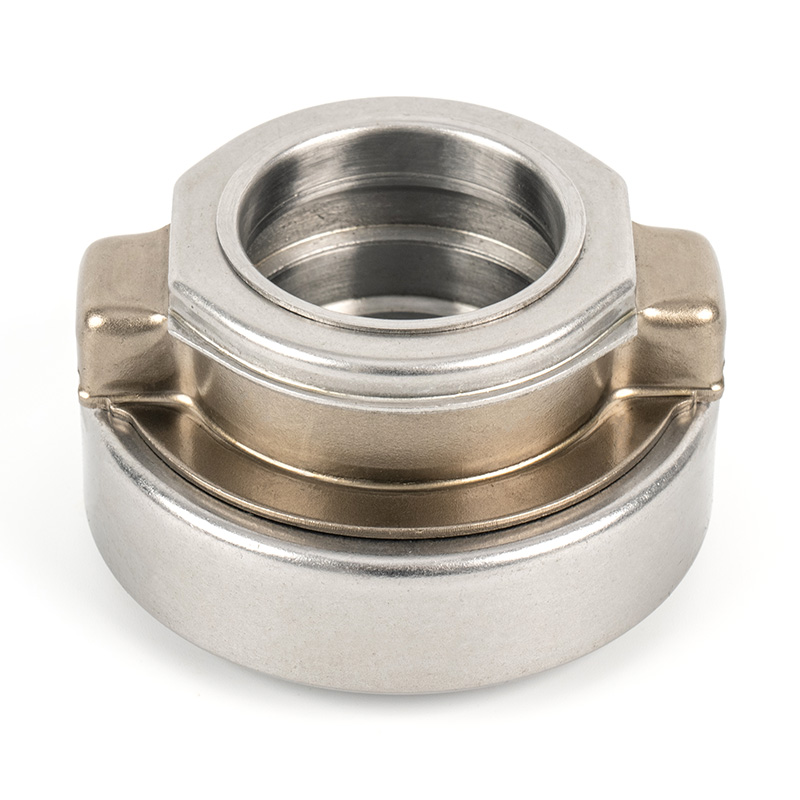
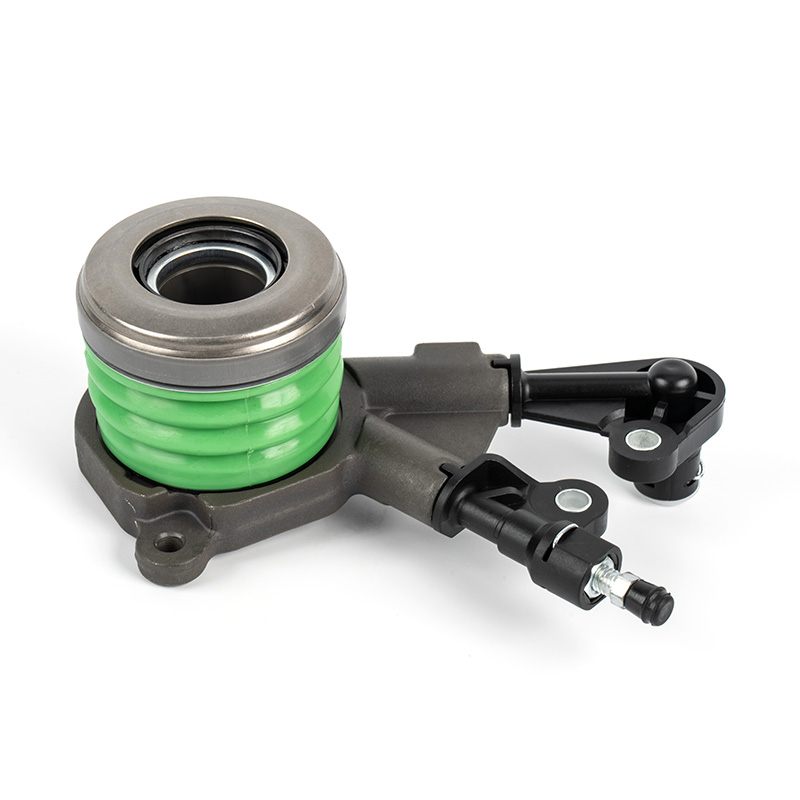
자동차 클러치 릴리스 베어링: 스로아웃 베어링이라고도 알려져 있으며 고도로 전문화된 비표준 베어링의 대표적인 예입니다. 수동 변속기에서 클러치를 연결 및 해제하도록 설계되었습니다. Their design often includes a bearing unit integrated into a plastic or metal housing with specific mounting interfaces, and they must withstand high axial loads and rotational speeds while operating with minimal lubrication.
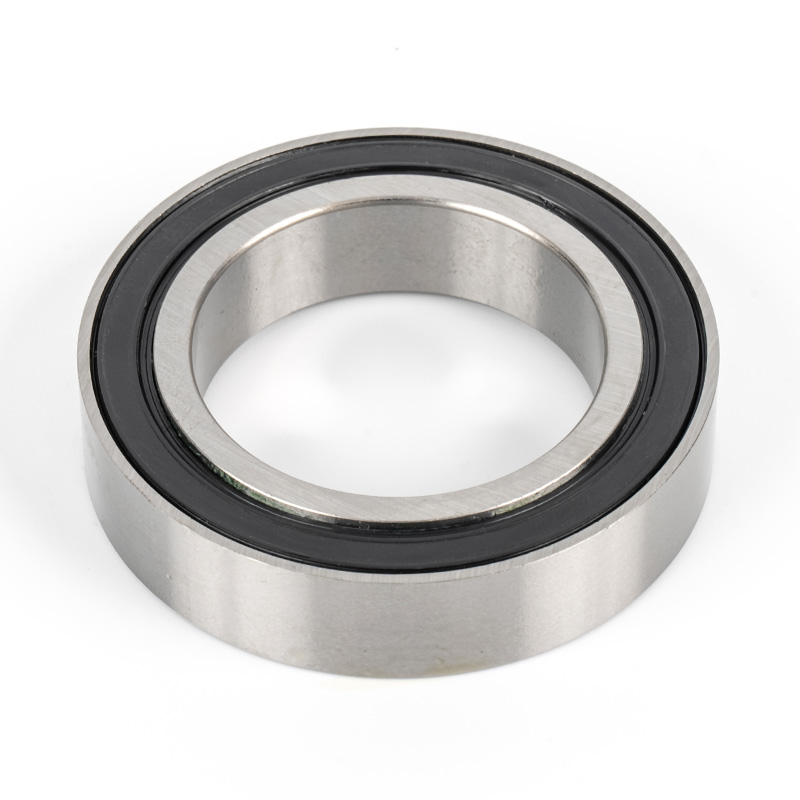
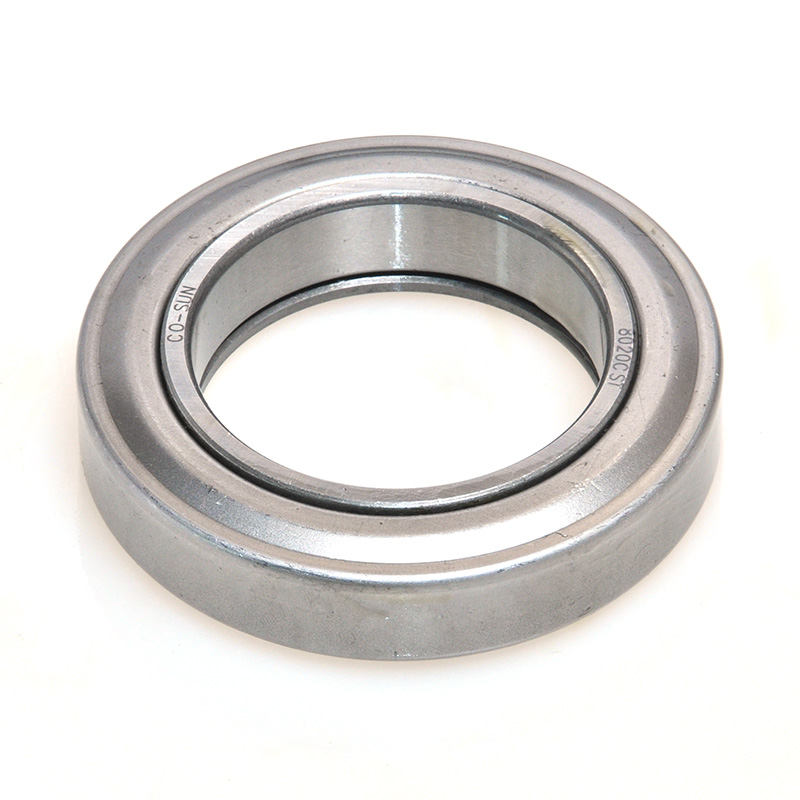
Bearings with Special Dimensions: These are bearings based on standard designs (e.g., deep groove ball bearings) but with non-standard bore diameters, outside diameters, or widths to fit a proprietary housing or shaft.
Bearings with Integrated or Modified Components: This category includes:
플랜지형 베어링: 간단한 장착 및 축 위치 지정을 위한 일체형 플랜지가 있는 베어링입니다.
확장 내부 링 베어링: 내부 링이 확장되어 인접한 구성 요소의 밀봉 또는 장착을 용이하게 하는 베어링입니다.
특수 씰 또는 실드가 있는 베어링: 고유한 오염 또는 윤활 유지 문제를 위한 맞춤형 씰링 솔루션입니다.
Split Bearings: These bearings are manufactured in two or more pieces, allowing for installation and removal without disassembling surrounding machinery, which is invaluable for maintenance in confined spaces or on large shafts.
Miniature and Instrument Bearings: Extremely small, high-precision bearings used in applications like medical devices, optical instruments, and precision robotics, where standard sizes are too large.
3. 응용
비표준 베어링은 장비 설계가 고도로 전문화된 산업에서 없어서는 안 될 요소입니다.
Automotive Industry: Beyond clutch release bearings, they are used in specialized transmissions, electric vehicle components, power steering systems, and auxiliary units where space and interface requirements are unique to each vehicle platform.
Companies like Xinchang Heyang Auto Parts Co., Ltd. specialize in such components for a global automotive market, supplying bearings for vehicles from Japan, Korea, Germany, the USA, and others.
Industrial Machinery: Conveyor systems, printing presses, textile machinery, and food processing equipment often use non-standard bearings to optimize performance and simplify assembly.
Aerospace and Defense: These sectors require bearings that can operate under extreme conditions of temperature, speed, and load, often with stringent reliability and weight requirements, necessitating fully custom solutions.
Agriculture and Construction: Heavy-duty machinery in these fields uses robust, often large-diameter, non-standard bearings in applications like pivot points, rollers, and gearboxes.
4. 비교: 표준 베어링과 비표준 베어링
| 특징 | 표준 베어링 | 비표준 베어링 |
| 가용성 | Readily available from stock or short lead times. | Require custom manufacturing, leading to longer lead times. |
| 비용 | 대량생산으로 인한 원가 절감. | 맞춤형 엔지니어링, 툴링 및 낮은 생산량으로 인해 단가가 높아집니다. |
| 디자인 유연성 | 사전 정의된 크기 및 구성으로 제한됩니다. | 높은 유연성; can be tailored to exact dimensional, performance, and material requirements. |
| 신청 | 범용 애플리케이션에 적합합니다. | Essential for applications with unique spatial, load, or integration constraints. |
| 호환성 | 제조업체 간 호환성이 높습니다. | 일반적으로 특정 기계나 시스템의 소유입니다. 직접 교환할 수 없습니다. |
5. 자주 묻는 질문(FAQ)
Q1: 비표준 베어링의 일반적인 리드타임은 얼마나 됩니까?
A1: 리드타임은 설계의 복잡성과 제조업체의 생산 일정에 따라 크게 달라집니다. It can range from several weeks for a simple modification to many months for a completely new, complex design.
Q2: How is quality assured for custom-made bearings?
A2: Reputable manufacturers implement rigorous quality management systems. This includes material certification, dimensional checks throughout the production process, performance testing (e.g., noise, vibration, life testing), and functional validation. For instance, some automotive component manufacturers guarantee their product quality for a specific operational lifetime, such as 50,000 kilometers or more.
Q3: What information is required to request a non-standard bearing?
A3: To provide an accurate quotation and design, manufacturers typically require:
상세한 치수 도면 또는 CAD 모델.
하중 조건(반경방향, 축방향, 모멘트).
작동 속도(RPM).
Environmental conditions (temperature, presence of contaminants).
윤활 유형 및 방식.
장착 및 밀봉 요구 사항.
Q4: Are non-standard bearings less reliable than standard ones?
A4: 꼭 그렇지는 않습니다. When properly designed, manufactured, and applied for their specific intended use, non-standard bearings can be equally or even more reliable than standard bearings. Their reliability is a direct function of the design process, material selection, manufacturing quality control, and correct application.
문의하기

자동차 클러치 베어링 및 기타 비표준 베어링 생산을 전문으로 하는 생산 기업입니다.
- 연락처 정보
-
 0575-86013311
 -
 +86-575-86013322
 -
 중국 절강성 소흥시 신창현 타산1로 50호

Copyrigh t© Xinchang Heyang Auto Parts Co., Ltd.. 모든 권리 보유.
China 다양한 비표준 베어링 Manufacturers 다양한 비표준 베어링 Factory
